Suffolk
Origins of the Suffolk Horse
The Suffolk Horse, also known as the Suffolk Punch, is the oldest surviving horse breed still recognisable in its original form today. It holds the distinction of having England’s oldest breed society and the longest unbroken written pedigree of any horse breed in the world. Developed in the eastern counties, the Suffolk was bred for hard agricultural work, known for its strength, stamina, and unfailing willingness to pull — qualities that made it indispensable to generations of farmers.
Conformation, Colour and Characteristics
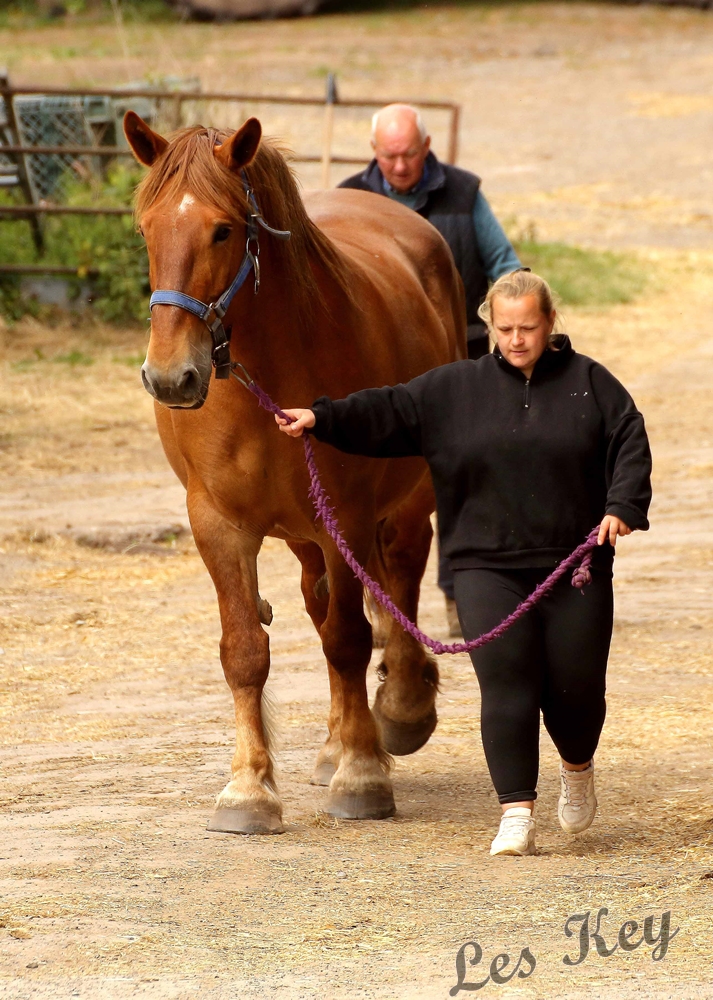
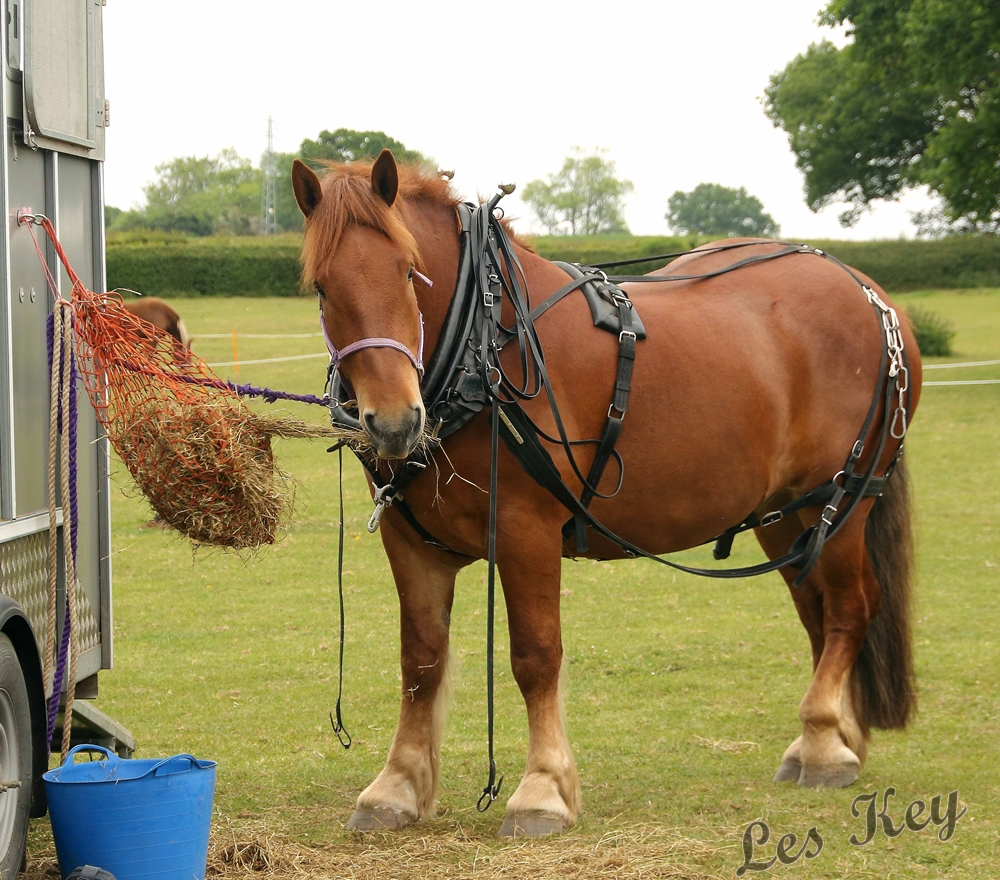
The Suffolk is instantly recognisable for its solid, compact build, with a broad body on relatively short, powerful legs that give the breed exceptional pulling strength. Unlike many other draught breeds, Suffolks have no excess feathering on their legs — a practical advantage for working horses, reducing the risk of skin infections.
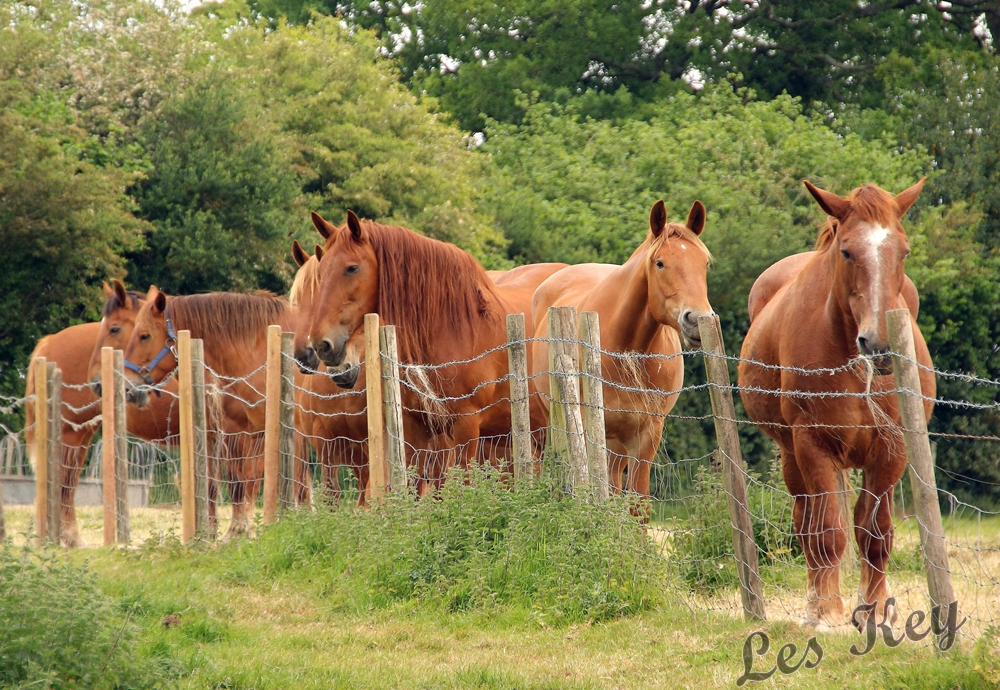
Colour: Always chesnut (traditionally spelled without the “t”), with shades ranging from pale lemon to deep liver. Only minimal white markings are permitted, usually a small star or blaze on the forehead.
Height: While no official height standard exists, stallions typically stand around 17.2hh, and mares about 16.2hh.
The Suffolk’s overall appearance conveys power, balance, and honest workability — a horse built for endurance and determination rather than speed.
Uses and Modern Role
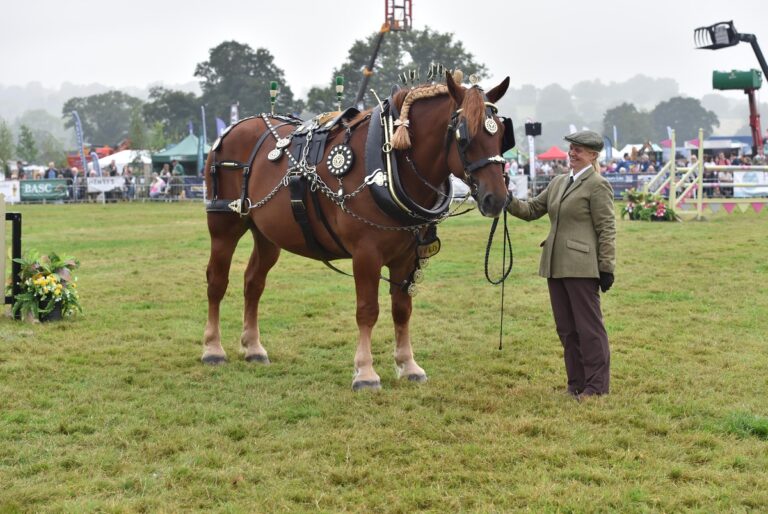
Today, Suffolk horses continue to be used in forestry, farming, and promotional work, demonstrating their versatility and gentle temperament. They are occasionally seen at tourist attractions and country shows, helping to raise awareness of the breed’s heritage and importance. However, the Suffolk faced near extinction during the 1960s, reaching the lowest point in its history. Although numbers have improved slightly, the breed remains rare, with only around 25–30 foals born each year. Dedicated breeders and enthusiasts continue to work tirelessly to secure its future and maintain its proud legacy as one of Britain’s great working horses.
For more information, visit the Suffolk Horse Society.