Percheron
Origins of the Percheron
The Percheron is among the oldest and most distinguished heavy horse breeds in the world. It takes its name from La Perche, a small region in north-west France where the breed was first developed and refined over centuries. Renowned for its strength, stamina, and willing nature, the Percheron became an invaluable working horse across Europe and beyond. During the First World War, the breed’s practical advantages were particularly valued — the absence of heavy feathering made Percherons easier to care for in muddy, harsh battlefield conditions compared to other draught breeds.
Conformation, Colour and Characteristics
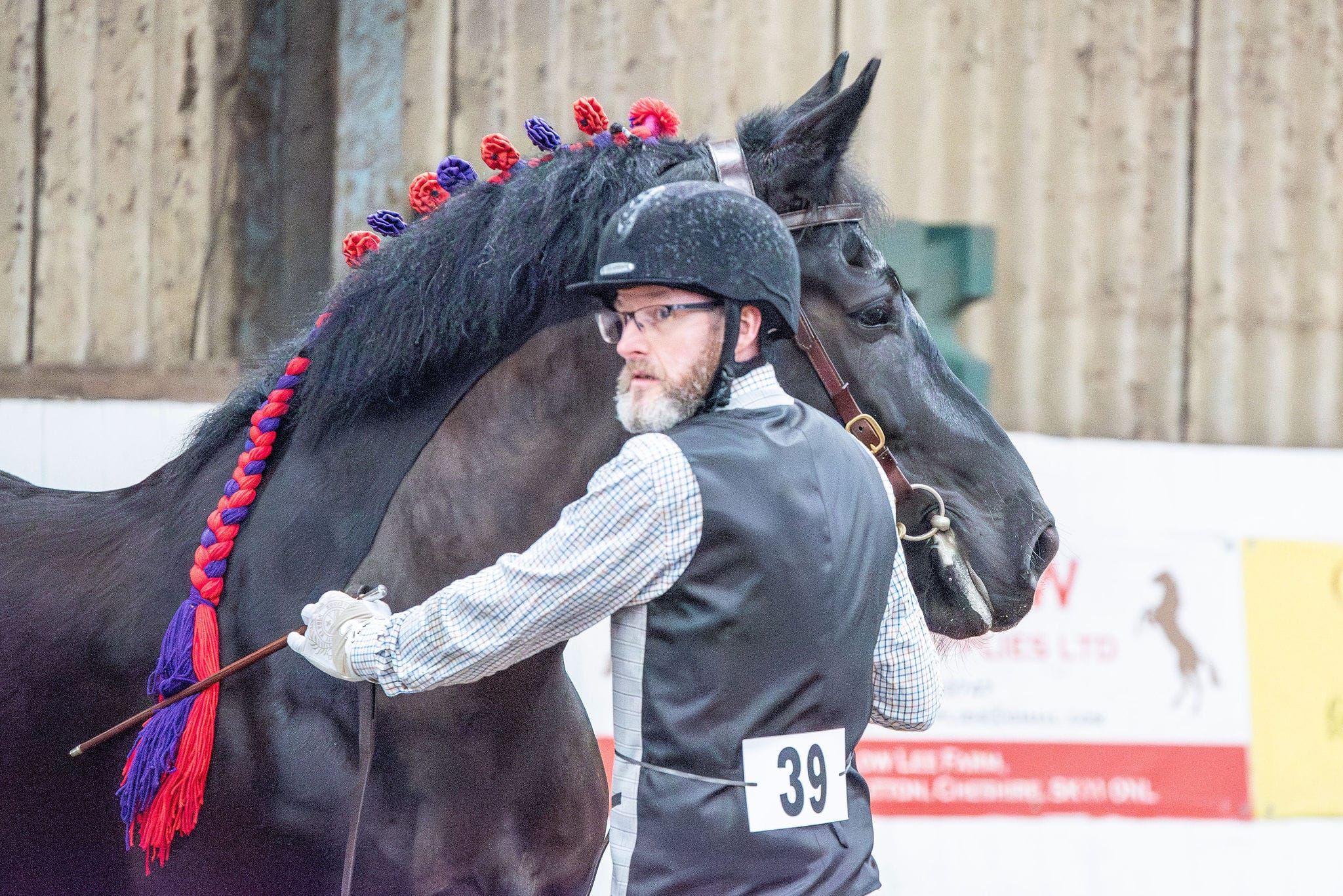
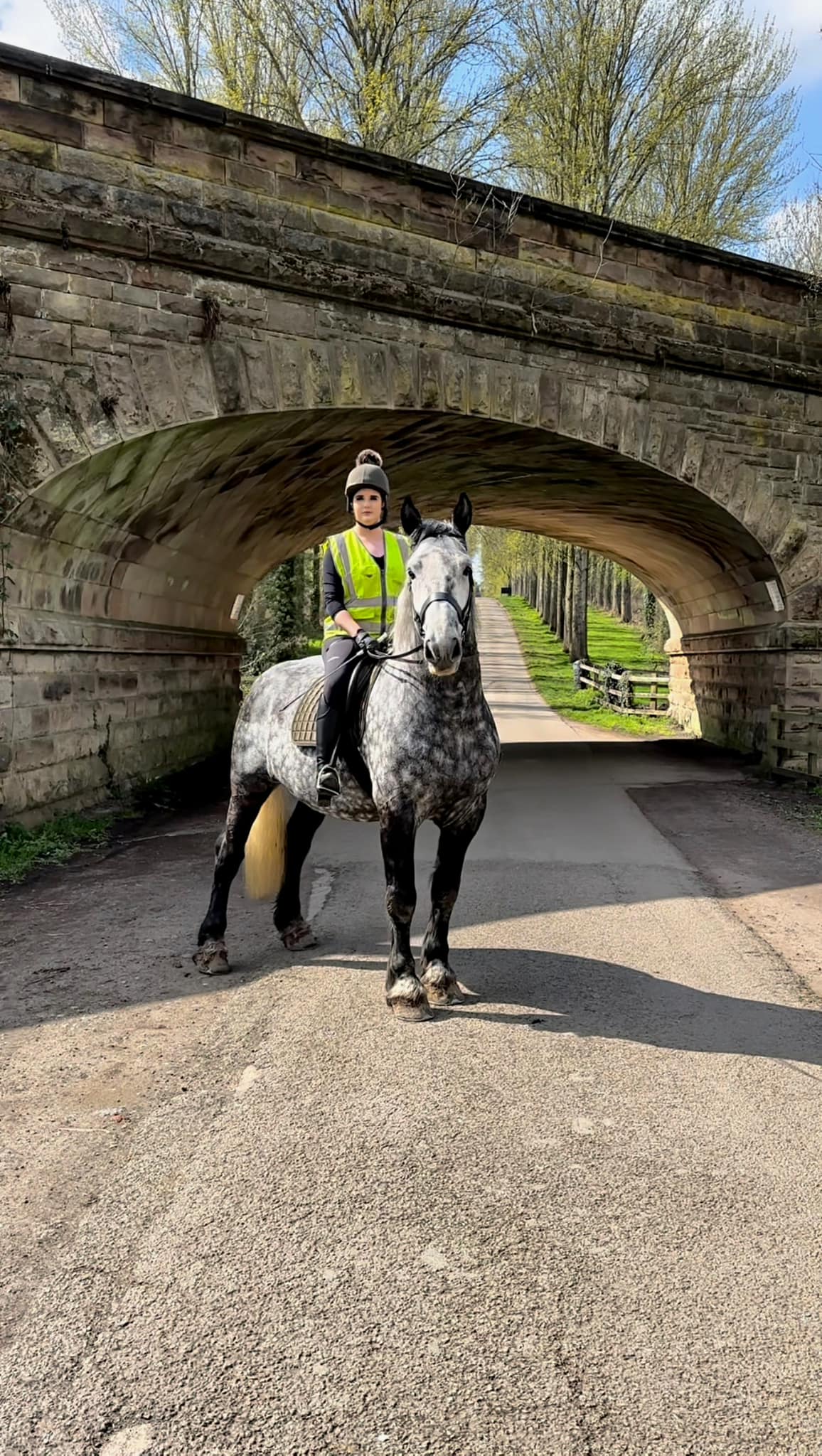
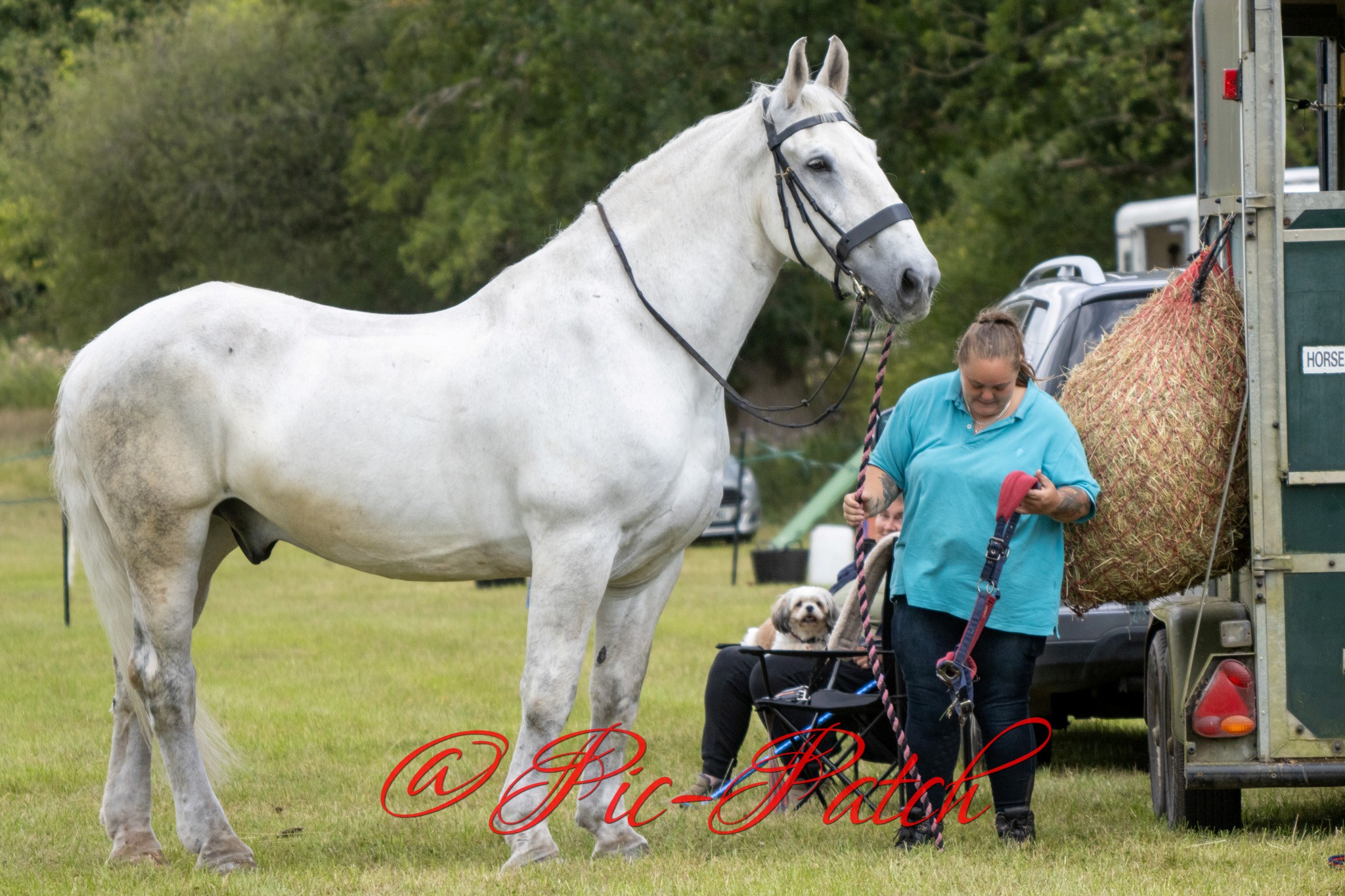
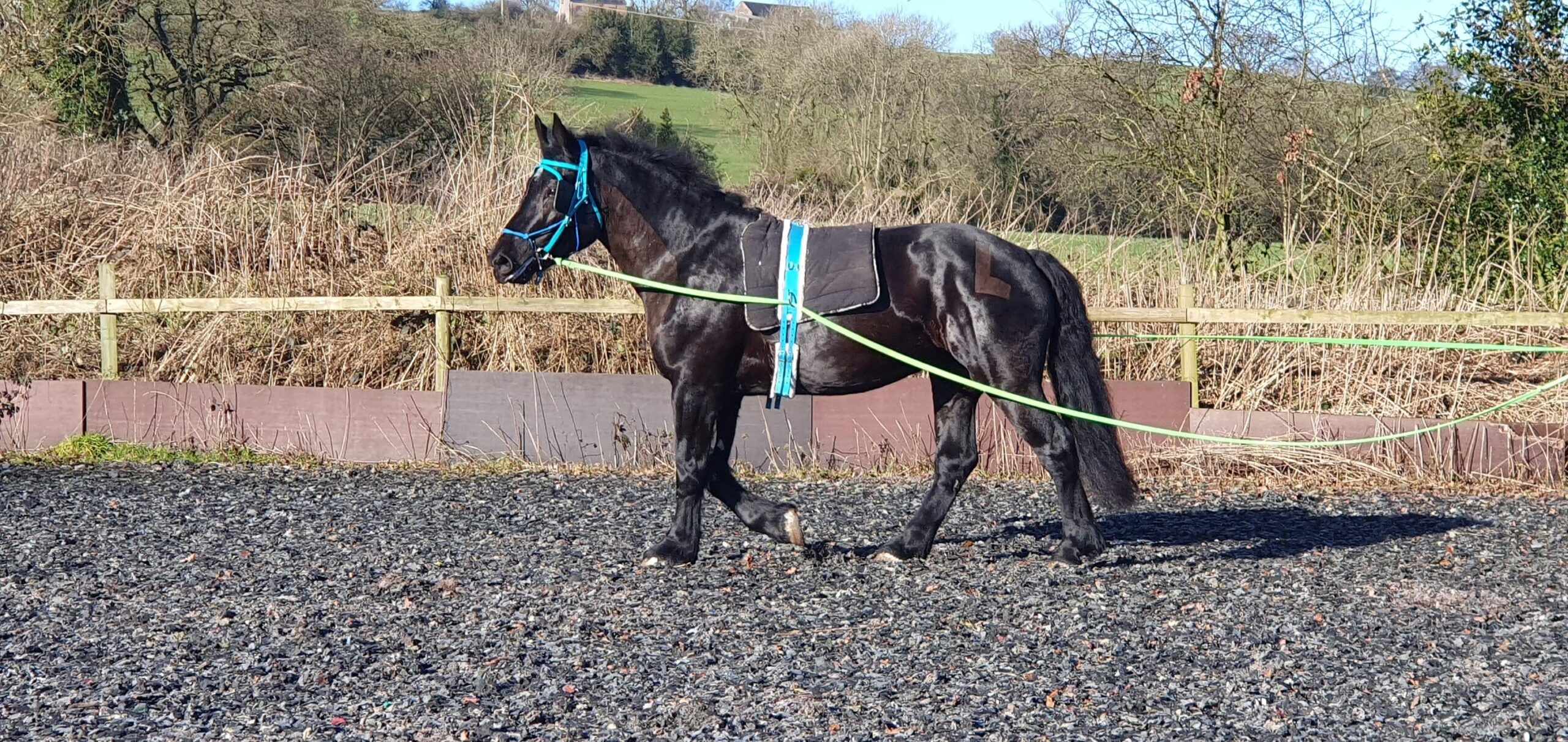
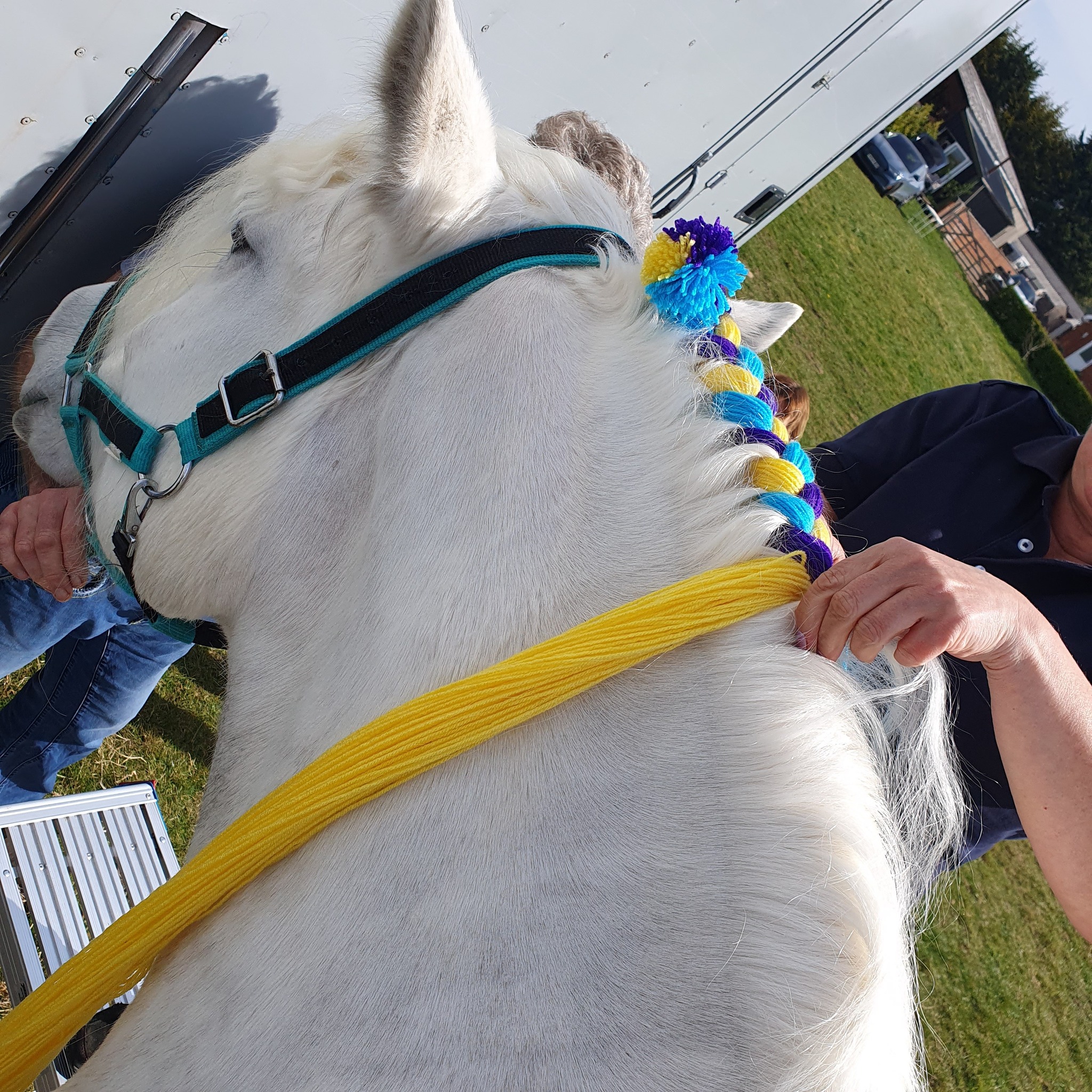
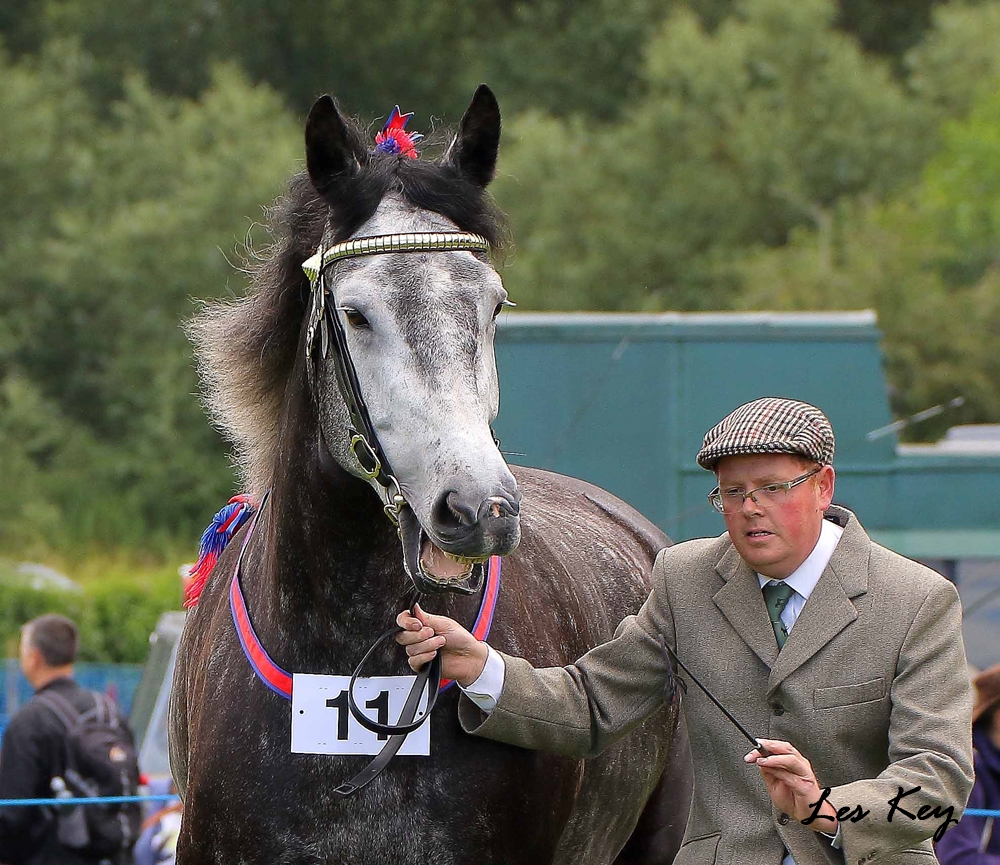
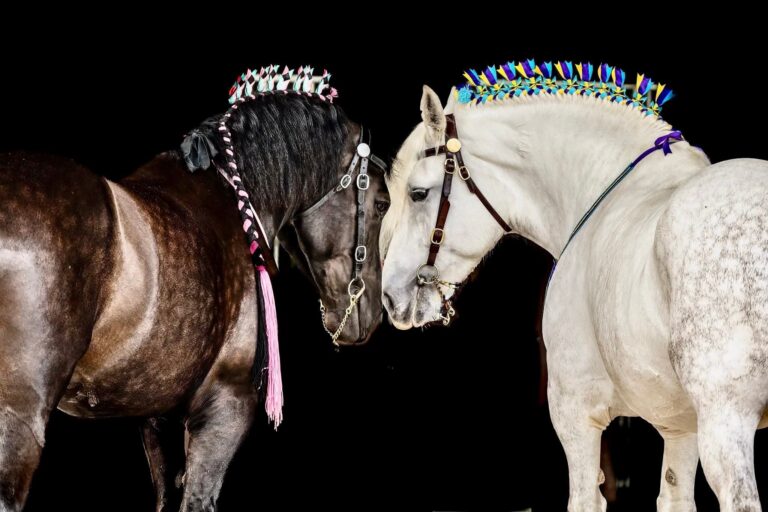
Only grey and black Percherons are recognised, with grey being the most common and often displaying a striking dappled coat. Interestingly, many Percherons are born black but gradually turn grey as they mature. A small number remain jet black for life.
Stallions must stand at least 16.3hh, reflecting the breed’s substantial presence and power. The Percheron combines great muscular development with docility and intelligence, making it both strong and highly manageable. Its elegant head, proud stance, and energetic movement give the impression of power balanced with refinement — qualities that have made the Percheron one of the most admired draught horses in history.
Uses and Modern Role
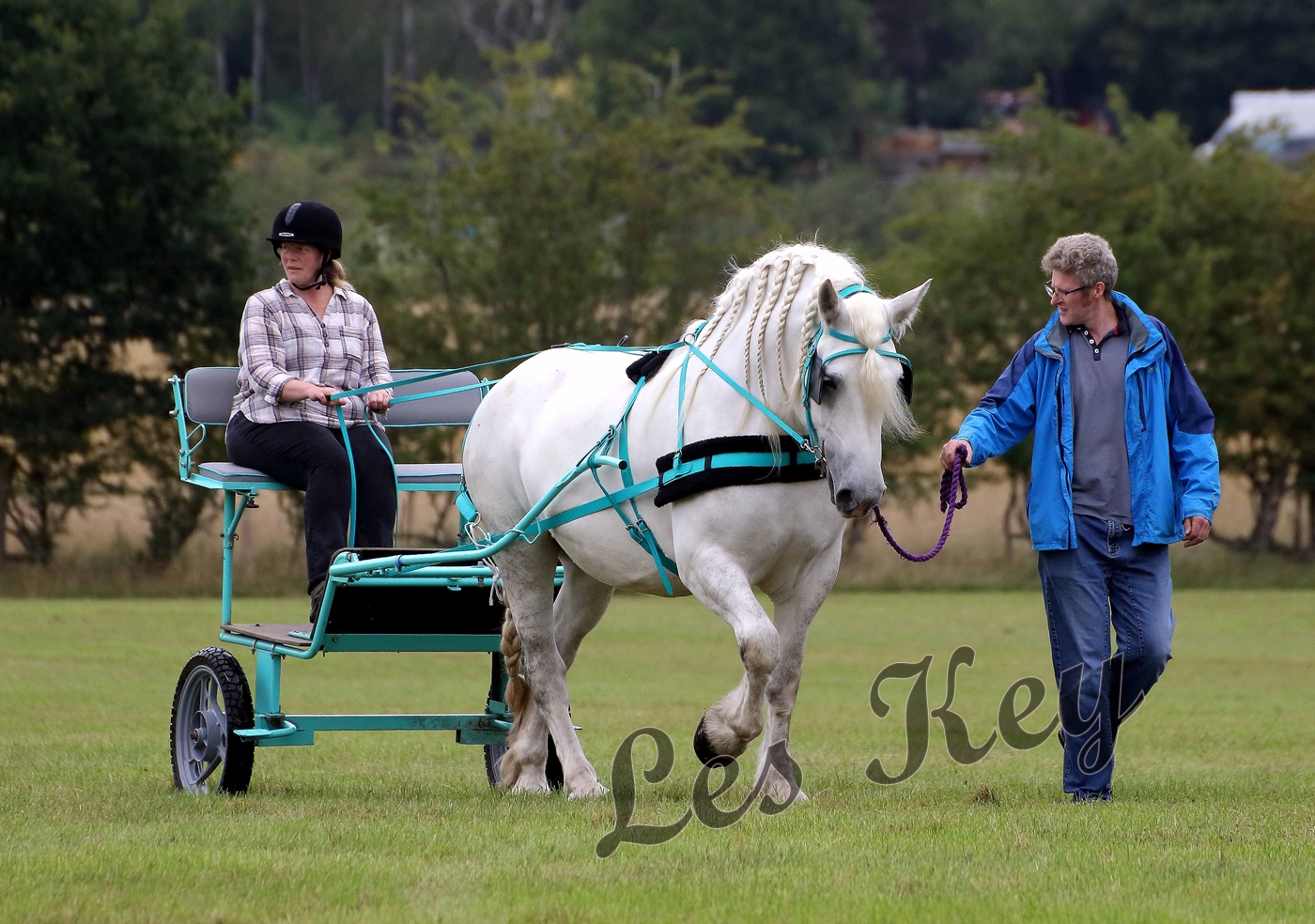
Today, there are more Percherons worldwide than any other heavy horse breed, a testament to their adaptability and enduring appeal. In the UK, they are widely used for farm and forestry work, public demonstrations, and promotional displays. Their agility and stamina make them excellent competitors in draught skills competitions and marathons, while the large black Canadian Percherons are particularly successful in turnout showing classes. Beyond traditional use, Percherons are also valued by breeders of heavy hunters and lighter riding horses, who cross them to add substance, strength, and a calm, reliable temperament.
For more information, visit the British Percheron Society.