Clydesdale
Origins of the Clydesdale
The Clydesdale takes its name from the district of Scotland through which the upper reaches of the River Clyde flow. It was in this region — now known as South Lanarkshire — that the breed was first developed around 1700. Bred to meet the agricultural and transport needs of the time, the Clydesdale became one of Scotland’s most iconic and recognisable heavy horse breeds.
Conformation, Colour and Characteristics
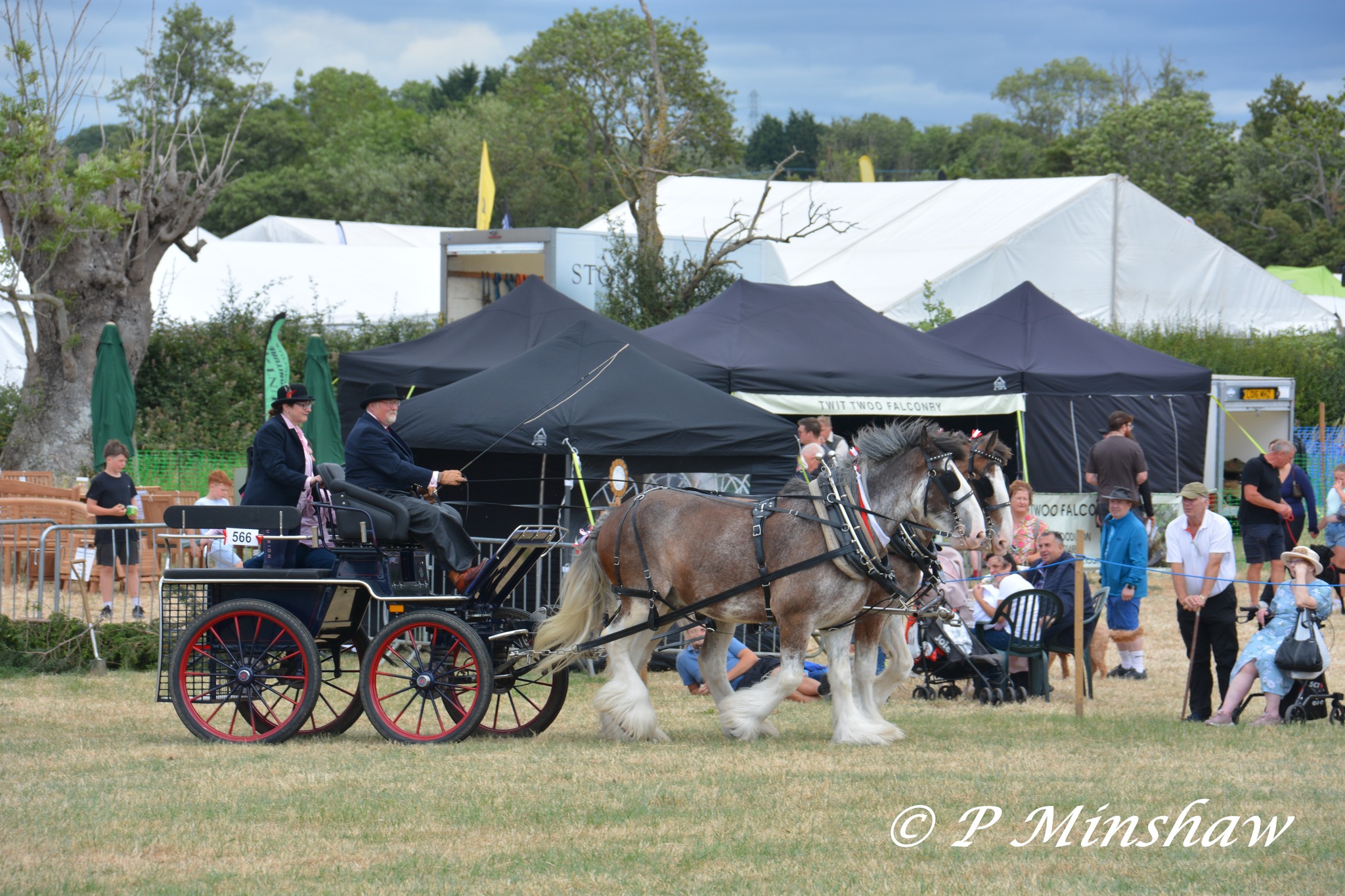
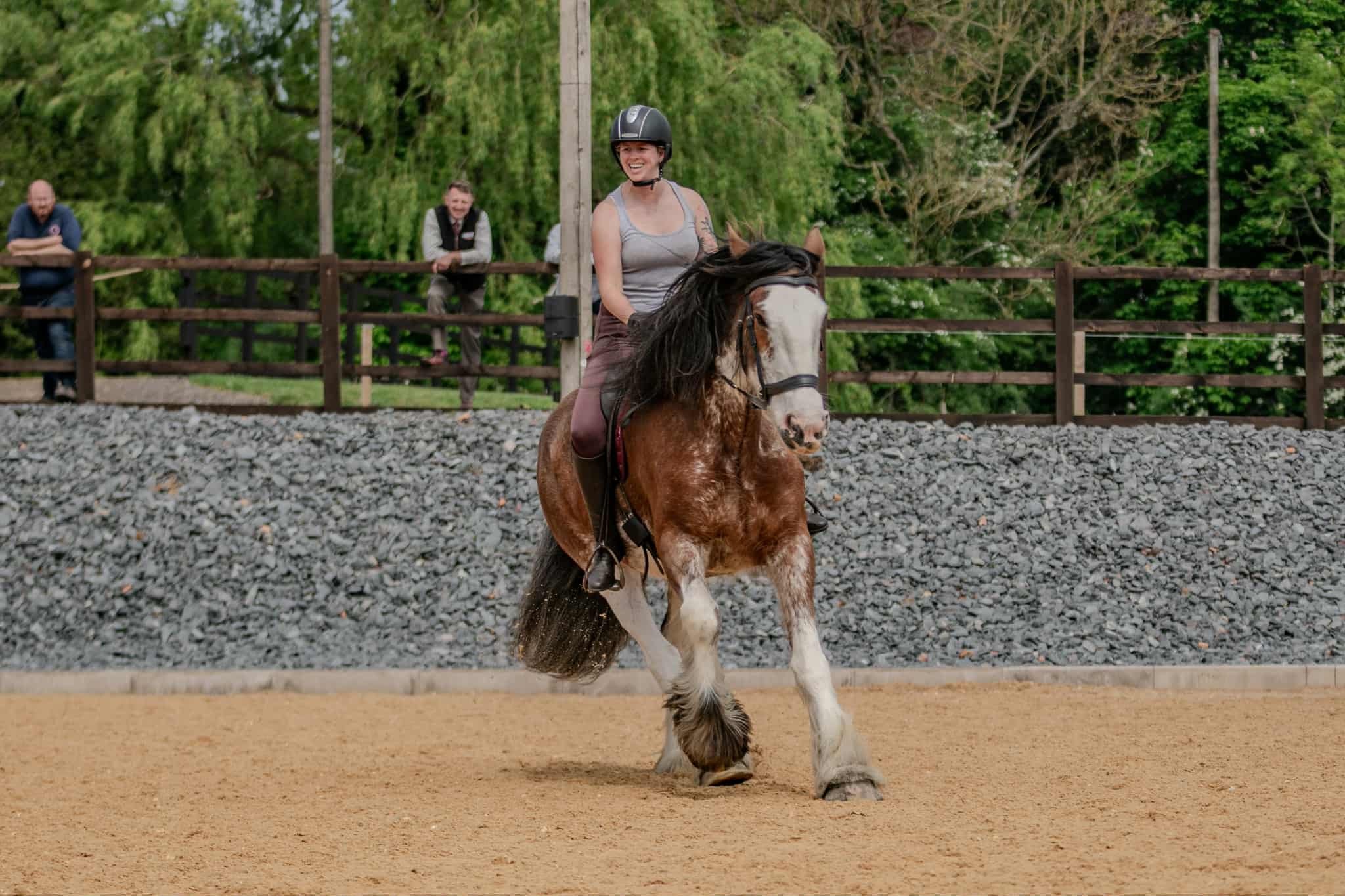
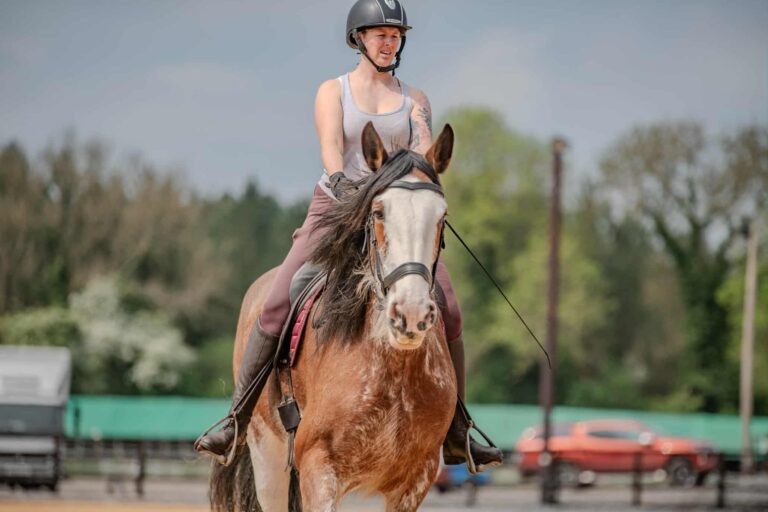
At first glance, the Clydesdale closely resembles the Shire, sharing the distinctive long, silky feathering on its lower legs. However, the Clydesdale is generally lighter in build, with a longer neck and higher forequarters, giving it a more elevated and active appearance. The withers are clearly defined, adding to the breed’s proud carriage.
Height: Mares typically range from 16.3 to 18hh, while stallions stand 17.1 to 18.2hh.
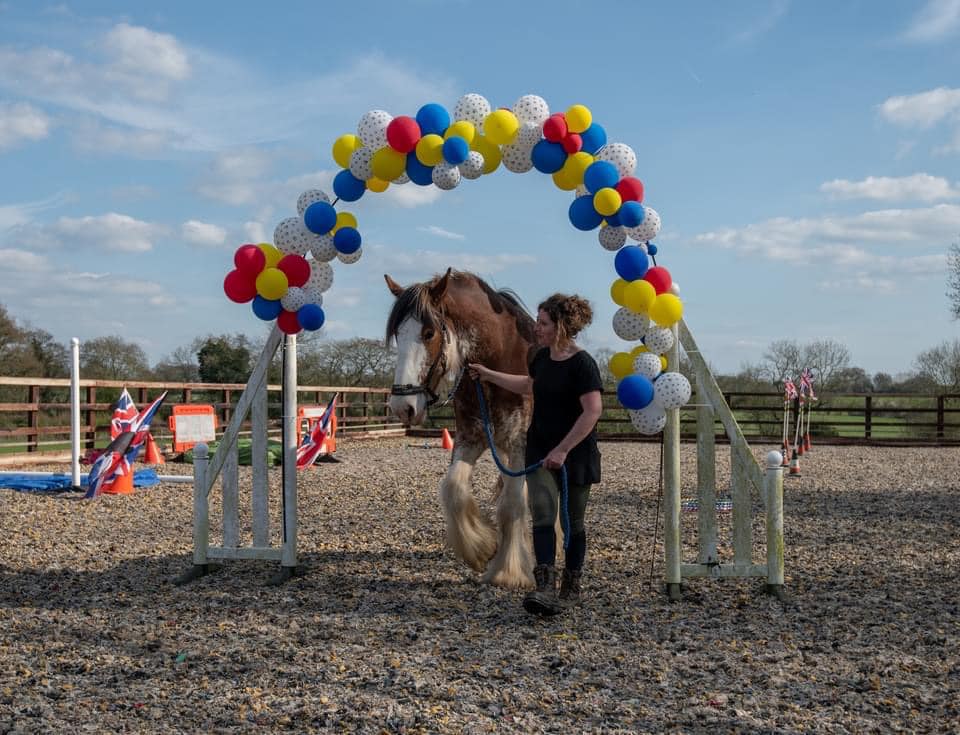
Colour: Traditional colours are dark brown or bay with a white blaze and white legs extending just above the knees and hocks. Chestnuts, blacks, light bays, and roans also occur occasionally.
Overall, the Clydesdale embodies a balance of strength, power, and activity — a horse that combines impressive stature with elegance and movement.
Uses and Modern Role
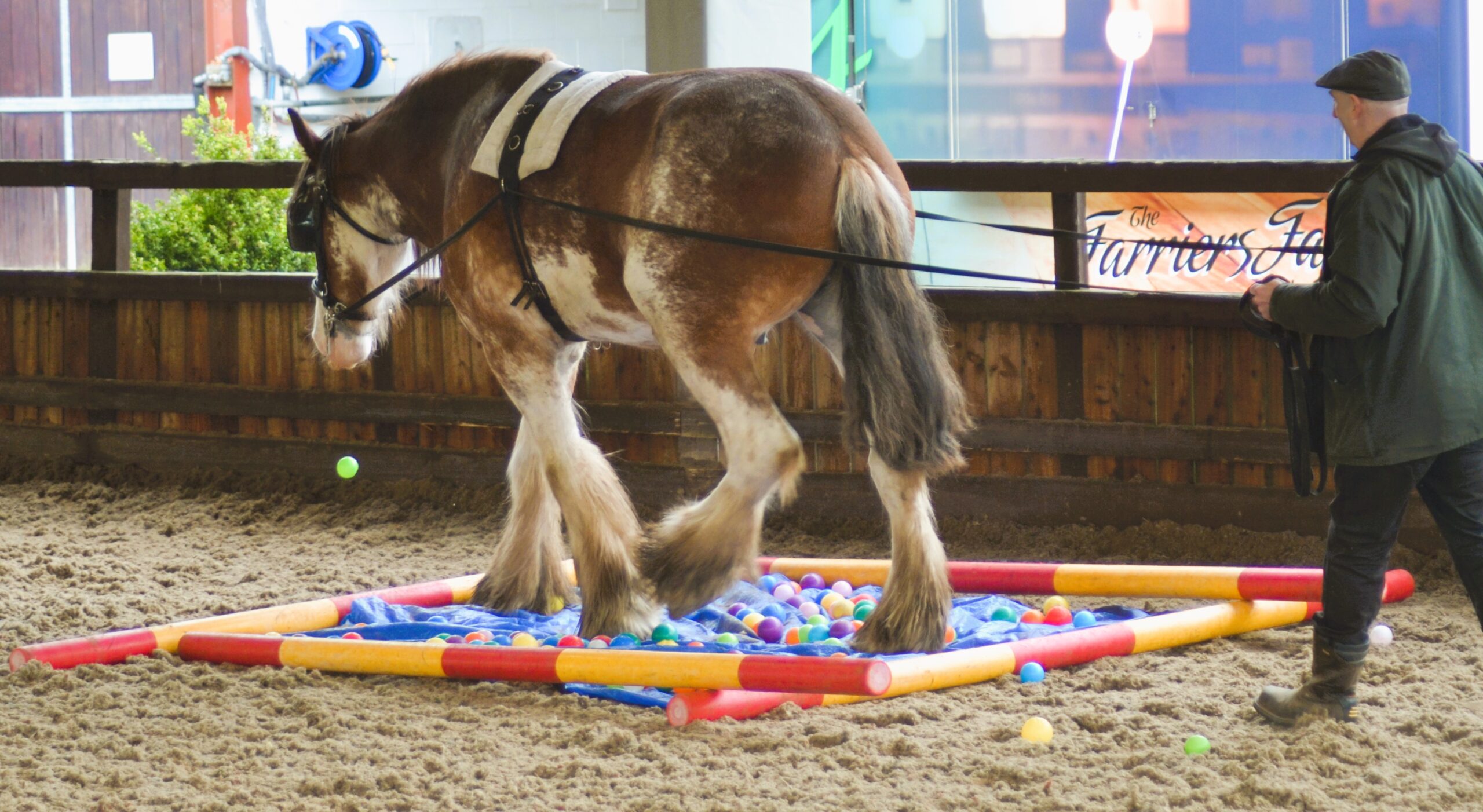
Historically, the Clydesdale was bred for farm and agricultural work across Scotland, prized for its stamina and calm temperament. Today, the breed continues to thrive throughout the UK, taking on roles in forestry, showing, driving, and even riding. Their versatility and gentle nature make them a popular choice for working displays, parades, and promotional events celebrating Scotland’s rural heritage.
For more information, visit the Clydesdale Horse Society.